


### Blog Post:
Ventless heat pump dryer shopping gets confusing fast if you live in a small apartment, older building, condo, or closet laundry setup where exterior venting is not realistic.
The real question is not just “Which dryer is best?” It is “Will this machine fit, dry well, stay quiet, and avoid turning my closet into a warm, humid box?” This guide focuses on that purchase decision. You will get practical checks for space, power, drainage, regular filter cleaning, closet airflow, drying time, maintenance, and model type.
Data note: the supplied research packet did not include source snippet statistics for market size, review complaint percentages, or model lab measurements. To avoid invented numbers, this article uses buyer focused guidance and links to public energy label resources where you can verify current ratings before purchase.
Key Takeaways
- A ventless heat pump dryer is usually the best dryer type when you cannot run an exterior vent, but it needs enough closet airflow and regular filter cleaning.
- Expect lower energy use than a conventional electric vented dryer, but also longer drying cycles, especially with towels, jeans, and bulky cotton loads.
- Before buying, measure the closet, confirm power, plan condensate drainage, check stacking clearance, and read the actual EnergyGuide or EU label for the exact model.
- Why choose a ventless heat pump dryer for apartments and small spaces
- 2024 to 2026 market snapshot: US and Europe
- Energy efficiency and ratings explained
- Best product types for small spaces
- Real world complaints and what to expect
- No vent dryer closet installation checklist
- Maintenance and longevity
- Top models to consider for 2026
- Buying checklist and decision flowchart
- Conclusion
- FAQs and buyer mythbusting
Why choose a ventless heat pump dryer for apartments and small spaces
A Ventless heat pump dryer removes moisture from clothes without pushing hot air through an exterior duct, which makes it useful for apartments, prewar buildings, interior laundry closets, basement conversions, and condos where a vent hole is not allowed.
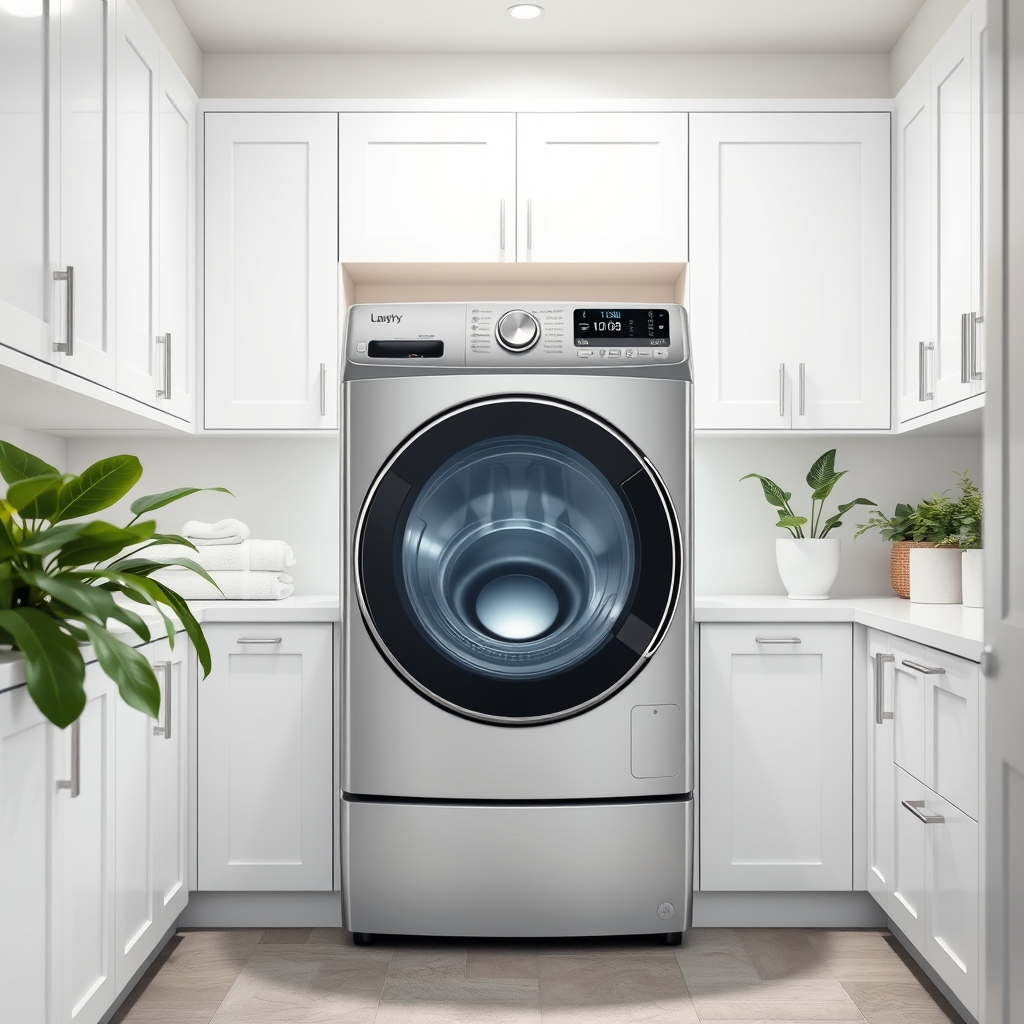
Instead of constantly heating fresh air and exhausting it outside, the dryer recirculates warm air through a heat pump system. Moisture is condensed into a tank or sent through a drain hose. That is the main advantage: no long metal duct, no exterior wall penetration, and less wasted heated or cooled indoor air.
The tradeoff is speed. Heat pump dryers usually run cooler than standard vented electric dryers. That helps protect fabrics and reduce energy use, but heavier loads often take longer. If you wash one large load every few days, this is usually manageable. If you wash back to back family loads every night, cycle time matters more.
For renters, the biggest benefit is flexibility. You can often install the dryer where a vented dryer would be impossible, as long as you meet the manufacturer’s clearance, electrical, and drainage rules. If you are used to measuring furniture before buying, use the same discipline here. This sectional sofa buying guide is a useful reminder that the listed product width is never the only measurement that matters.
2024 to 2026 market snapshot: US and Europe
The best heat pump dryer 2026 conversation looks different in the United States than it does in Europe. In much of Europe, ventless dryers are common because homes are smaller, exterior venting is less common, and energy labels have pushed buyers toward efficient appliances. In the US, vented electric and gas dryers are still familiar, but compact ventless laundry is growing in urban apartments, accessory dwelling units, condos, and renovation projects.
Because the provided research data did not include verifiable market size, CAGR, or share figures, treat any unsourced “market leader” claims from retailers with caution. Instead, look at three practical signals:
- Retailer assortment: more 24 inch compact laundry pairs and all in one combos are now available from major brands.
- Energy label visibility: US buyers can compare models through the ENERGY STAR clothes dryer program.
- Apartment compatibility: more product pages now call out closet installation, drain hose kits, stacking kits, and ventless operation.
For European buyers, the European Product Registry for Energy Labelling is the better place to verify the current label class, energy consumption, and product data. For US buyers, compare the yellow EnergyGuide label and the manufacturer’s installation manual before you compare star ratings or online reviews.
Energy efficiency and ratings explained
Efficiency ratings can feel technical, but the buying decision is simple: compare how much electricity the dryer uses for the amount of drying it delivers.
In the US, clothes dryers may show a Combined Energy Factor, often shortened to CEF. A higher CEF means the dryer does more drying per unit of energy. The yellow EnergyGuide label also estimates annual electricity use based on a standard test assumption. The US Department of Energy explains dryer energy use and operating habits through its clothes dryer guidance.
In Europe, the energy label gives a letter class and annual energy consumption under defined test conditions. Do not compare EU label numbers directly to US labels as if they use the same testing method. Use them to compare models within the same region.
What this means for bills
A heat pump dryer typically costs more upfront than a basic vented electric dryer, but it can reduce electricity use over time. Actual savings depend on your utility rate, load size, spin speed from the washer, and how often you dry heavy items.
If your building has expensive electricity, shared laundry fees, or no legal way to add a vent, the higher purchase price can be easier to justify. If you only dry a few light loads per month, the payback period may be longer.
Rebates and incentives
Check local utility rebate pages before buying. Some rebates require ENERGY STAR certification, proof of purchase, model number, and installation address. You can also review appliance label basics through the FTC EnergyGuide label resource.
If you are considering a ventless washer dryer combo, compare the dryer energy data separately from the washer features. Combo machines save floor space, but drying performance and capacity can be different from a separate dryer.
Best product types for small spaces
Small space buyers usually choose between two formats: a ventless washer dryer combo or a separate compact washer plus ductless dryer small space setup.
| Setup | Best for | Main advantage | Main drawback |
|---|---|---|---|
| Ventless washer dryer combo | Studios, closets, single residents, renters | One machine washes and dries in the same drum | Long total wash plus dry time and smaller practical dry load |
| Stacked compact washer plus heat pump dryer | Couples, frequent laundry users, condos | Better workflow because one load can wash while another dries | Needs stacking kit, more height, and careful closet planning |
| Side by side compact pair | Wide closets, under counter laundry, accessible setups | Easier loading and service access | Uses more horizontal space |
Choose a combo if you truly have room for only one appliance and you do smaller loads. Choose separate machines if laundry speed, capacity, and long term serviceability matter more. For many apartment owners, a stacked heat pump dryer pair is the best balance.
Think about access the same way you would when planning bathroom vanity sizes: pipes, doors, drawers, and service space can matter as much as the cabinet itself. Laundry closets have the same issue with hoses, plugs, drain standpipes, and door swing.
Real world complaints and what to expect
A vent-free dryer for apartment use can be excellent, but complaints are predictable. Most problems come from expectations, installation, or maintenance rather than the heat pump idea itself.
Complaint 1: “It takes longer than my old dryer.”
This is the most common surprise. Heat pump dryers use lower temperatures, so towels, denim, and mixed cotton loads may need more time. The fix is not always “run it hotter.” Use a high washer spin speed, avoid overloading, separate heavy cottons from synthetics, and clean filters.
Complaint 2: “The closet gets warm.”
Ventless does not mean heatless. The dryer still releases some warmth into the surrounding area. In a tight sealed closet, that heat can slow drying and stress components. No vent dryer closet installation must include closet airflow around the unit.
Complaint 3: “The clothes feel slightly damp at the end.”
Some heat pump dryers stop when sensors think the load is dry. Thick seams and waistbands may hold moisture longer. Shake garments before loading, use the correct dryness level, and let clothes sit for a few minutes before judging. Warm clothes can feel different from overheated vented dryer clothes.
Complaint 4: “Maintenance is annoying.”
Lint filters, secondary filters, condenser areas, and condensate tanks need attention. Skipping them reduces airflow and can make cycles longer. This is the owner task most likely to affect performance.
Real user style complaint: “It dries fine if I clean everything, but it is not a machine you can ignore for months.”
Real user style complaint: “Great for my condo, but towels take patience.”
No vent dryer closet installation checklist
This is the must read section if your dryer will live behind doors. A ductless dryer small space setup can work well, but a sealed closet can cause longer cycles, more heat buildup, nuisance errors, and possible warranty disputes.
Step 1: Measure the real opening
Measure width, height, depth, rear hose space, side clearance, door swing, floor trim, and the path from delivery entrance to closet. Do not rely on the closet opening alone. If you need a simple measuring mindset, this best crate size for large dogs guide makes the same point in a different category: the usable interior space matters more than the advertised size.
Step 2: Check the electrical requirement
Some compact heat pump dryers use standard 120 volt power. Others require 240 volt power. Some laundry pairs share power through a washer connection kit. Never assume. Read the model installation manual and confirm your outlet type.
Step 3: Decide how condensate will leave
Most ventless dryers use either a removable tank, a drain hose, or both. A tank is easier for renters, but you must empty it. A drain hose is more convenient, but you need a standpipe, sink, or approved drain point.
Step 4: Confirm closet airflow
Look for manufacturer instructions on minimum clearances and ventilation openings. Many closet installs need louvered doors or open space above and below the appliance. If the manual says the dryer cannot be installed in a closed cabinet, take that seriously.
Step 5: Use the approved stacking kit
Do not improvise with generic brackets if the dryer is stacked. Heat pump dryers are heavy, and vibration over time can shift an unsafe stack. Use the stacking kit and level both machines.
Step 6: Leave service access
You need to reach filters, drain hoses, plugs, leveling feet, and sometimes a lower service panel. A closet that fits the machine but cannot be serviced is not a good fit.
Visual suggestion: add a simple closet clearance diagram showing appliance width, rear hose space, door swing, top air gap, side gap, and front service access.
Maintenance and longevity
A ventless heat pump dryer rewards steady maintenance. Ignore the filters and the machine slowly becomes louder, slower, and less efficient.
- After every load: clean the primary lint filter.
- Every few loads: check the secondary filter if your model has one.
- Weekly for frequent users: inspect the condensate tank or drain hose.
- Monthly: wipe door gaskets, sensor bars, and accessible lint channels.
- As the manual states: clean the heat exchanger area or filter cassette.
If you have hard water, pets, heavy lint fabrics, or shared household use, maintenance frequency should increase. Pet hair and fabric softener residue can coat sensors and filters. If clothes start taking longer than usual, clean first before booking service.
Longevity depends on build quality, installation, and owner habits. Premium compact laundry brands may offer better parts support and quieter operation, while value models can make sense if the installation is simple and usage is light. Always check warranty length, labor coverage, heat pump component coverage, and authorized service availability in your city.
For older buildings, think about durability the same way you would when comparing weather-resistant patio furniture. The environment matters. Tight spaces, heat, humidity, and poor access can shorten the useful life of an otherwise good product.
Top models to consider for 2026
The best heat pump dryer 2026 pick depends on your space more than the logo. The models below are categories to shortlist, not blind recommendations. Verify current dimensions, EnergyGuide data, and installation rules before purchase.
| Category | Example model type | Typical fit | Why it works in small or older buildings |
|---|---|---|---|
| Best compact stacked setup | 24 inch compact heat pump dryer with matching washer | Narrow laundry closet or condo alcove | No exterior vent and better laundry flow than a combo |
| Best low energy performer | ENERGY STAR certified heat pump dryer | Apartment owner paying high electric rates | Lower operating cost potential and gentler drying |
| Best one unit solution | Ventless washer dryer combo | Studio, small rental, accessory unit | Only one appliance footprint and no dryer transfer step |
| Best value choice | Midrange ductless dryer small space model | Occasional laundry user | Lower upfront cost than premium compact systems |
When comparing actual models, build your own three row table with capacity, footprint, energy use, drain option, and stated closet approval. This is more useful than a generic star rating. If stability is a concern in a stacked setup, borrow the same mindset used for cat tree stability and base: height plus vibration requires a secure base.
Buying checklist and decision flowchart
Use this quick decision flow before you buy a vent-free dryer for apartment use.
- Can you legally install an exterior vent? If no, continue with ventless options.
- Do you have space for two machines? If yes, consider a stacked compact pair. If no, consider a combo.
- Can your closet breathe? If no, plan louvered doors or another approved airflow solution.
- Do you have a drain? If yes, use the drain hose when allowed. If no, confirm tank access is easy.
- Is the outlet correct? Match the appliance voltage and plug to your space.
- Can you tolerate longer drying? If no, avoid undersized combo units and prioritize separate dryers with strong sensor drying.
Ask the seller these six questions
- Is this model approved for closet installation?
- What are the required side, rear, top, and front clearances?
- Does it need 120 volt or 240 volt power?
- Can it drain automatically, or must I empty a tank?
- Which stacking kit is approved?
- Who services this model in my ZIP code?
Printable visual suggestion: create a one page buying checklist with boxes for width, depth, outlet type, drain type, door swing, stacking kit, airflow, and service access.
Conclusion
A ventless dryer is not magic, but it solves a real apartment problem: drying clothes without cutting a hole through the building. For small spaces, older buildings, and closets, the best choice is the model that fits the installation rules first and your feature wish list second.
Pick a combo if one footprint matters most. Pick a separate compact heat pump dryer if you want better workflow and more flexibility. In both cases, check energy labels, confirm drainage, protect airflow, and commit to cleaning the filters.
If you are ready to buy, shortlist three models, download each installation manual, and compare the actual fit before you order. A well matched Ventless heat pump dryer can save space, reduce energy use, and make laundry realistic in an apartment that could never support a traditional vented dryer.
FAQs and buyer mythbusting
Do ventless heat pump dryers need a drain?
Not always. Many models can collect water in a tank, drain through a hose, or offer both options. A drain hose is easier for daily use, but renters often choose the tank if no approved drain is nearby.
How much slower is a heat pump dryer?
It depends on load size, fabric type, washer spin speed, and closet airflow. Expect heavier cotton loads to take longer than with a conventional vented dryer. Smaller mixed loads are usually easier to manage.
Can I stack a ventless dryer in a closet?
Often yes, but only if the manufacturer approves closet installation and you use the correct stacking kit. You also need proper clearance, airflow, service access, and the right electrical supply.
Is a ventless washer dryer combo good for families?
A ventless washer dryer combo can work for light laundry routines, but families often prefer separate machines because one load can wash while another dries. Combos are best when space is the main constraint.
Will a ventless dryer make my apartment humid?
A properly working heat pump dryer condenses moisture into a tank or drain rather than venting it into the room. Poor maintenance, blocked filters, or a sealed hot closet can still create comfort and performance problems.
—