


### Blog Post:
Permeable patio pavers can cut runoff, improve drainage, and help you meet local stormwater rules, but the right system depends on your soil, budget, maintenance tolerance, and how the surface will be used.
If you are replacing a cracked patio, widening a driveway, or planning a small commercial courtyard, the main question is not simply “Are permeable pavers better?” The better question is “Which permeable system gives me the most stormwater benefit per dollar without creating maintenance headaches later?”
This guide compares permeable paving cost, drainage performance, installation details, and common failure points so you can evaluate quotes with confidence.
Key Takeaways
- Installed permeable paving cost typically runs about $6 to $40 per square foot, with many residential projects clustering around $12 to $25 per square foot.
- The base and excavation often decide performance more than the surface material. Subbase aggregate and excavation commonly represent 30% to 50% of total installed cost.
- Permeable systems can reduce runoff volume by about 70% to 100% compared with impervious surfaces when designed correctly for soil, slope, and storm size.
- What are permeable patio pavers and why they matter
- 2024 cost overview: averages and ranges per square foot
- Cost breakdown: what you are actually paying for
- Stormwater performance: infiltration rates and pollutant removal
- Comparing systems: pros, cons, and best use cases
- Installation steps and site factors that change price and performance
- Maintenance expectations and the top 3 user complaints
- Design tips to maximize drainage performance and minimize future costs
- How to get accurate quotes: questions and specs for contractors
- Cost saving strategies and long term ROI
- Quick decision flowchart: is a permeable patio right for your site?
- Conclusion: choosing permeable patio pavers wisely
- FAQ
What are permeable patio pavers and why they matter
Permeable patio pavers are paving systems designed to let rainwater pass through joints, openings, or porous surfaces into an open graded stone reservoir below. From there, water can soak into native soil, move to an underdrain, or overflow safely during larger storms.
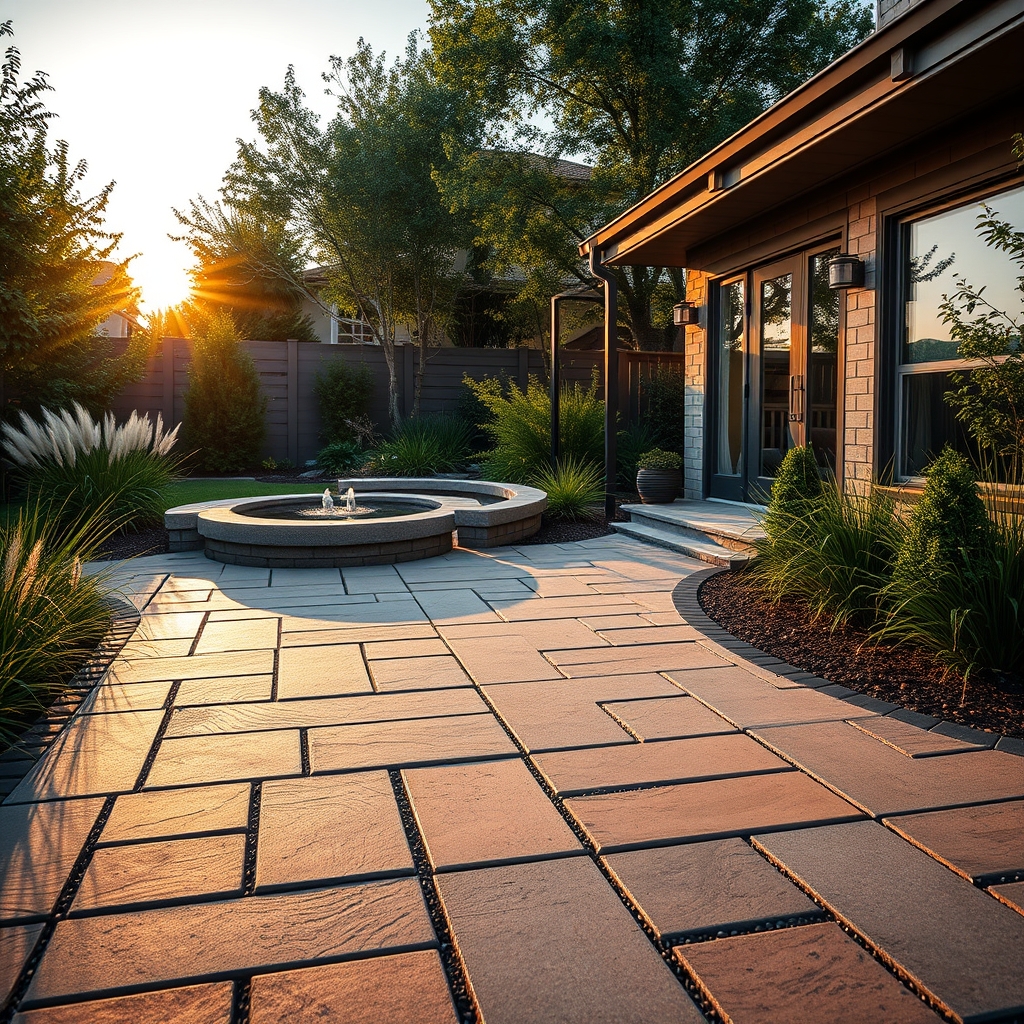
The main options are permeable interlocking concrete pavers, gravel grid pavers, pervious concrete, and porous asphalt. PICP uses concrete units with widened joints filled with clean stone. Gravel grids use plastic or concrete cells filled with gravel or grass. Pervious concrete is a porous concrete slab. Porous asphalt is similar in concept but is usually better suited to driveways, parking areas, and larger surfaces.
Homeowners choose these systems for three practical reasons. First, they reduce runoff that can flood yards, patios, garages, and neighboring properties. Second, they may help satisfy local stormwater drainage patio rules for additions, driveway replacements, and impervious area limits. Third, they can reduce pollutants carried from pavement into storm drains.
According to the U.S. EPA green infrastructure guidance, permeable pavement is a recognized stormwater practice because it stores and infiltrates runoff near where rain falls. Properly designed permeable pavements can reduce runoff volume by roughly 70% to 100% compared with impervious surfaces, although performance depends on design, maintenance, soil, and rainfall intensity.
If you are updating the whole outdoor space, pair your paving decision with durable furnishings. Our guide to outdoor patio furniture can help you choose pieces that hold up on a newly installed patio.
2024 cost overview: averages and ranges per square foot
For most U.S. residential and small commercial projects, permeable paving cost falls between $6 and $40 per square foot installed. The wide range comes from site preparation, excavation depth, labor rates, drainage requirements, access, and whether the surface must carry vehicles.
Here are realistic 2024 installed cost ranges for common systems:
- Gravel grid pavers: about $6 to $15 per square foot, with a common average near $10 per square foot.
- Permeable interlocking concrete pavers: about $10 to $30 per square foot, with a common average near $18 per square foot.
- Pervious concrete: about $6 to $15 per square foot, depending on mix, crew experience, base depth, and access.
- Porous asphalt: often competitive for larger driveways and parking pads, but less common for decorative patios.
The market average for many homeowner projects clusters around $12 to $25 per square foot. If your bid is much lower, check the base specification. If your bid is much higher, ask whether it includes deep excavation, underdrains, permits, hauling, and restoration.
For a 400 square foot patio, a low cost gravel grid scenario might look like this: $1,000 for excavation and hauling, $1,200 for aggregate base, $1,000 for grid panels and infill stone, $600 for edging and fabric, and $1,200 for labor. That totals about $5,000, or $12.50 per square foot.
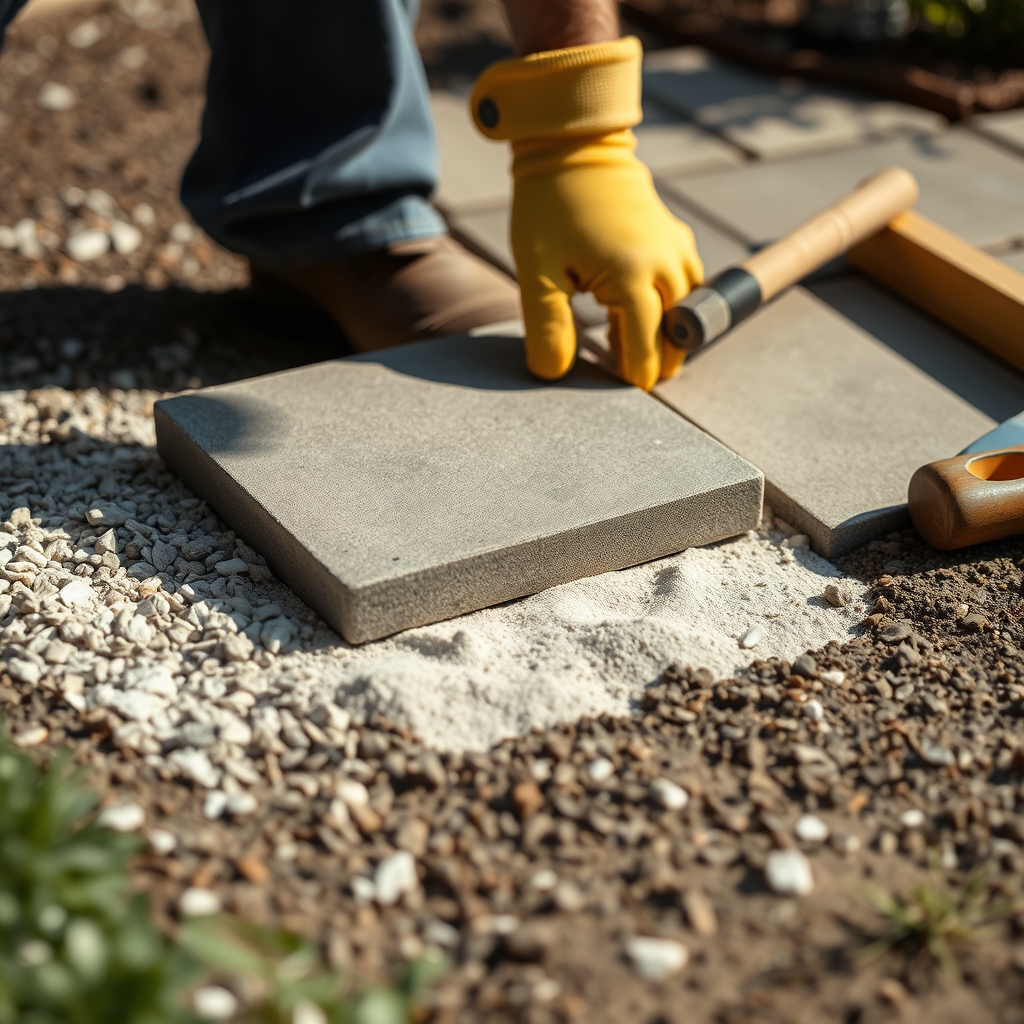
A higher end PICP version of the same 400 square foot patio might include $2,000 for excavation and hauling, $2,800 for aggregate reservoir, $3,800 for pavers and bedding stone, $900 for edge restraints and geotextile, $500 for permits or drainage details, and $3,200 for skilled labor. That totals about $13,200, or $33 per square foot.
If you are timing multiple exterior upgrades, compare material purchases the same way you would compare seasonal deals on weather resistant patio furniture. The cheapest product is not always the least expensive over ten years.
Cost breakdown: what you are actually paying for
A permeable patio installation is more than surface pavers. Most of the hidden cost is below grade, where the system stores water and supports loads.
- Excavation and hauling: Removing soil, old concrete, old asphalt, roots, or unsuitable fill.
- Open graded aggregate base: Clean crushed stone with void space for water storage.
- Geotextile placement: Fabric used where needed to separate soil from stone and reduce migration of fines.
- Edge restraints: Concrete curbs, metal edging, plastic edging, or paver restraints that prevent spreading.
- Paver units or grid panels: The visible wearing surface.
- Bedding layer: Clean small aggregate used to level interlocking pavers.
- Labor: Layout, grading, compaction, placement, cutting, and finishing.
- Permits and inspections: Common where impervious area rules or stormwater credits apply.
- Drainage features: Underdrains, inlets, overflow pipes, cleanouts, and connection points.
- Restoration: Soil, seed, mulch, irrigation repairs, and cleanup around the work area.
Subbase aggregate and excavation commonly account for 30% to 50% of total installed cost. On difficult sites, poor soils or more than 6 inches of additional fill can double unit costs because crews must remove more material and bring in more stone.
This is similar to indoor remodeling, where hidden substrate and moisture details matter. If you are comparing household upgrades, our Bathroom Vanity Buying Guide explains why water resistant materials and installation details often matter more than appearance alone.
Stormwater performance: infiltration rates and pollutant removal
Stormwater performance is usually measured by infiltration rate, storage capacity, and pollutant reduction. Infiltration rate tells you how fast water can move through the system, usually in inches per hour. Storage capacity tells you how much water the stone base can hold before overflow. Pollutant reduction measures how much sediment, metals, oils, and nutrients are trapped or treated.
Typical performance ranges are useful, but they are not guarantees. Fresh pervious concrete may infiltrate at 2 to 12 inches per hour, while long term effective rates often settle closer to 0.5 to 2 inches per hour. Permeable interlocking pavers with an open graded base often perform around 0.8 to 9 inches per hour at the system level, depending on base, joints, and native soil. Conventional concrete and asphalt are effectively near 0 inches per hour.
Permeable pavements commonly remove 60% to 90% of total suspended solids from runoff. The EPA permeable pavements fact sheet notes that these systems can reduce runoff and support pollutant removal when properly maintained.
The key point is that surface type is only one part of the equation. A beautiful paver with clogged joints and a thin base will not perform well. A simple gravel grid over a properly sized reservoir may outperform a more expensive surface if the soil is favorable and the design is honest.
Comparing systems: pros, cons, and best use cases
The best permeable patio pavers for your site depend on budget, appearance, load, and maintenance expectations. Use the table below as a practical starting point.
| System | Typical installed cost | Best for | Strengths | Tradeoffs |
|---|---|---|---|---|
| Permeable interlocking concrete pavers | $10 to $30 per sq ft, average near $18 | Patios, driveways, walkways, light commercial areas | Attractive, durable, repairable, good load capacity | Moderate to high cost, joints need maintenance |
| Gravel grid pavers | $6 to $15 per sq ft, average near $10 | Budget patios, overflow parking, garden paths, low speed drive areas | Lowest cost, strong infiltration, fast installation | Loose stone can migrate, appearance is less formal, weeds may appear |
| Pervious concrete | $6 to $15 per sq ft | Driveways, utility patios, larger pads | Seamless look, good initial infiltration, fewer joints | Needs experienced placement, can clog, repairs are more visible |
| Porous asphalt | Varies by region and project size | Larger driveways, small lots, light commercial parking | Efficient for larger paved areas, familiar surface | Less decorative for patios, needs proper vacuum maintenance |
For patios where appearance matters, PICP usually wins. For lowest cost and good infiltration, gravel grid pavers are hard to beat. For larger driveways, pervious concrete or porous asphalt may be more efficient, but only if your contractor has real permeable pavement experience.
If your patio project is part of a broader home refresh, you may also find value in our guides to sectional sofa buying and water resistant vanity materials, since both focus on choosing durable products instead of buying twice.
Installation steps and site factors that change price and performance
A proper permeable patio installation follows a disciplined sequence. Shortcuts below the surface are the most common reason systems fail.
- Site evaluation: Confirm slope, soil type, roof drainage, nearby foundations, trees, utilities, and discharge points.
- Infiltration testing: Test whether native soil can absorb water. Sandy and loamy soils are favorable. Dense clay often needs an underdrain.
- Excavation and grading: Remove old surface and soil to the required depth while maintaining a stable subgrade.
- Geotextile placement: Install fabric where specified to separate soil from clean aggregate.
- Open graded aggregate base: Place clean stone in lifts and compact carefully without crushing void space.
- Bedding layer: Add clean smaller stone for PICP or prepare the base for grids.
- Surface placement: Lay pavers or grid panels according to pattern, edge, and load requirements.
- edge restraint: Lock the perimeter so pavers do not spread under traffic.
- Joint or cell filling: Fill with clean aggregate. Do not use sand in permeable joints unless the system is specifically designed for it.
- Final compaction and inspection: Seat the surface and confirm drainage paths, overflow, and cleanout access.
Projects on clay or low permeability soils often require underdrains or larger aggregate reservoirs, which can add 10% to 50% or more to total project cost. If site infiltration is above 0.5 inches per hour and there is room for a stone reservoir, performance is usually much easier to achieve. If infiltration is below 0.1 inches per hour, expect higher costs and drainage engineering.
The Penn State Extension permeable pavement overview gives a helpful explanation of how surface, base, and subsoil work together in these systems.
Maintenance expectations and the top 3 user complaints
Permeable pavement is not maintenance free. It usually requires less drainage infrastructure than impervious paving, but it does need periodic cleaning to keep water moving through the surface.
Plan on annual inspection, leaf removal, and spot cleaning. For many residential patios, vacuum sweeping or careful pressure washing every 1 to 3 years is enough. High sediment areas may need more frequent service. PICP joints may need recharging with clean aggregate after cleaning. Gravel grids may need raking and topping up.
Top 3 complaints
- Clogging and loss of permeability: Sediment fills joints or pores. Without maintenance, permeability can decline significantly within 2 to 5 years.
- Settling and unevenness: Usually caused by poor base compaction, weak edge restraint, or soft subgrade.
- Higher upfront cost and installer issues: Many homeowners underestimate the skill needed for base design and maintenance planning.
To reduce problems, keep mulch, soil, and loose landscape material away from the surface. Install planting beds slightly lower than the paving edge, not higher. Avoid directing muddy construction runoff across the patio.
Design tips to maximize drainage performance and minimize future costs
A stormwater drainage patio works best when the design manages both normal rain and overflow. Do not assume the pavement must absorb every storm. It should capture frequent smaller storms and route larger storms safely.
- Size the base for local storms: Many municipal standards design for a 1 in 1 year or 1 in 2 year storm.
- Include overflow: Add an overflow route or drain so extreme storms do not push water toward the house.
- Use inspection ports or cleanouts: These make maintenance easier and help diagnose standing water.
- Protect the surface from sediment: Add planting strips, gravel borders, or small filter zones where runoff enters.
- Choose clean joint aggregate: Dirty stone or sand can clog the system early.
Properly designed permeable pavement systems can capture and infiltrate the majority of typical storm events, reducing runoff up to nearly 100% for small storms. Check your city or county stormwater manual before finalizing the design. The NACTO stormwater guide on permeable pavement is also useful for understanding design principles in urban settings.
How to get accurate quotes: questions and specs for contractors
To compare bids fairly, ask contractors to itemize the parts that actually affect performance. A one line price for “permeable patio” is not enough.
Questions to ask
- What base depth are you including, and how was it selected?
- What aggregate gradation will be used for the base, bedding, and joints?
- Will the system infiltrate into soil, drain through an underdrain, or both?
- What compaction method will be used?
- What edge restraint is included?
- How will overflow be handled during large storms?
- Do you include permits, inspection, and restoration?
- What maintenance schedule do you recommend?
- Can you provide references for similar permeable work?
Ask each contractor to itemize subbase volumes and compaction specs. Since the subbase is frequently 30% to 50% of installed cost, it is often the main difference between low and high bids.
For project budgeting, use the same practical mindset you would use when shopping from a buying guide with savings tips: compare specs first, then price.
Cost saving strategies and long term ROI
The easiest way to save money is to match the system to the use. Do not pay for decorative PICP in a service area where gravel grid pavers would work. Do not use a bargain grid in a front driveway if aesthetics, snow removal, and resale value matter.
- Choose gravel grid for low visibility areas: It is often the best budget option for overflow parking, side yards, and informal patios.
- Use PICP where appearance and load capacity matter: It costs more, but it is repairable and visually strong.
- Phase the work: Build the highest impact drainage area first, then expand later.
- Use local aggregate: Transportation can affect cost more than homeowners expect.
- Ask about stormwater credits: Some municipalities reduce stormwater fees for on site infiltration.
The added upfront cost of permeable paving is often $3 to $15 or more per square foot compared with basic impervious options. That premium can be offset by reduced drainage structures, fewer runoff problems, possible permit advantages, and municipal stormwater fee credits. This is why eco friendly driveway paving should be evaluated over the life of the surface, not only on day one price.
Some cities publish credit manuals for private property stormwater improvements. For example, the Washington DC stormwater fee discount program shows how local incentives can make on site runoff control more financially attractive.
Quick decision flowchart: is a permeable patio right for your site?
Use this quick checklist before requesting final bids for permeable patio pavers.
- Soil test: If infiltration is above 0.5 inches per hour, permeable systems typically perform well. If it is below 0.1 inches per hour, expect underdrains and higher costs.
- Slope: Gentle slopes are best. Steep slopes need special design to prevent water moving through the base too quickly.
- Use and load: A seating patio has different requirements than a driveway or small commercial parking area.
- Budget band: Gravel grids usually fit lower budgets. PICP fits appearance focused projects. Pervious concrete can be cost effective with the right crew.
- Permits and HOA: Confirm surface appearance, drainage discharge rules, and impervious area requirements.
- Maintenance willingness: If you will not clean joints or pores periodically, choose a system that is easier to service or reconsider the design.
If most answers are favorable, a permeable system is worth quoting. If soil, slope, and maintenance are all challenging, it may still work, but the project needs better design and a larger budget.
Conclusion: choosing permeable patio pavers wisely
The best permeable paving choice is the one that balances budget, drainage performance, appearance, and maintenance. Gravel grid pavers usually give the lowest cost path to better infiltration. PICP costs more but is often the strongest choice for patios and driveways where looks and durability matter. Pervious concrete and porous asphalt can work well, especially on larger surfaces, but they depend heavily on experienced installation and cleaning.
Before you approve a quote, confirm the base depth, aggregate, edge restraint, overflow plan, and maintenance schedule. Those details decide whether your patio drains well for years or becomes an expensive surface with clogged joints.
Helpful resources
- EPA permeable pavements fact sheet
- Penn State Extension permeable pavement basics
- Example municipal stormwater fee discount program
- NACTO permeable pavement design guidance
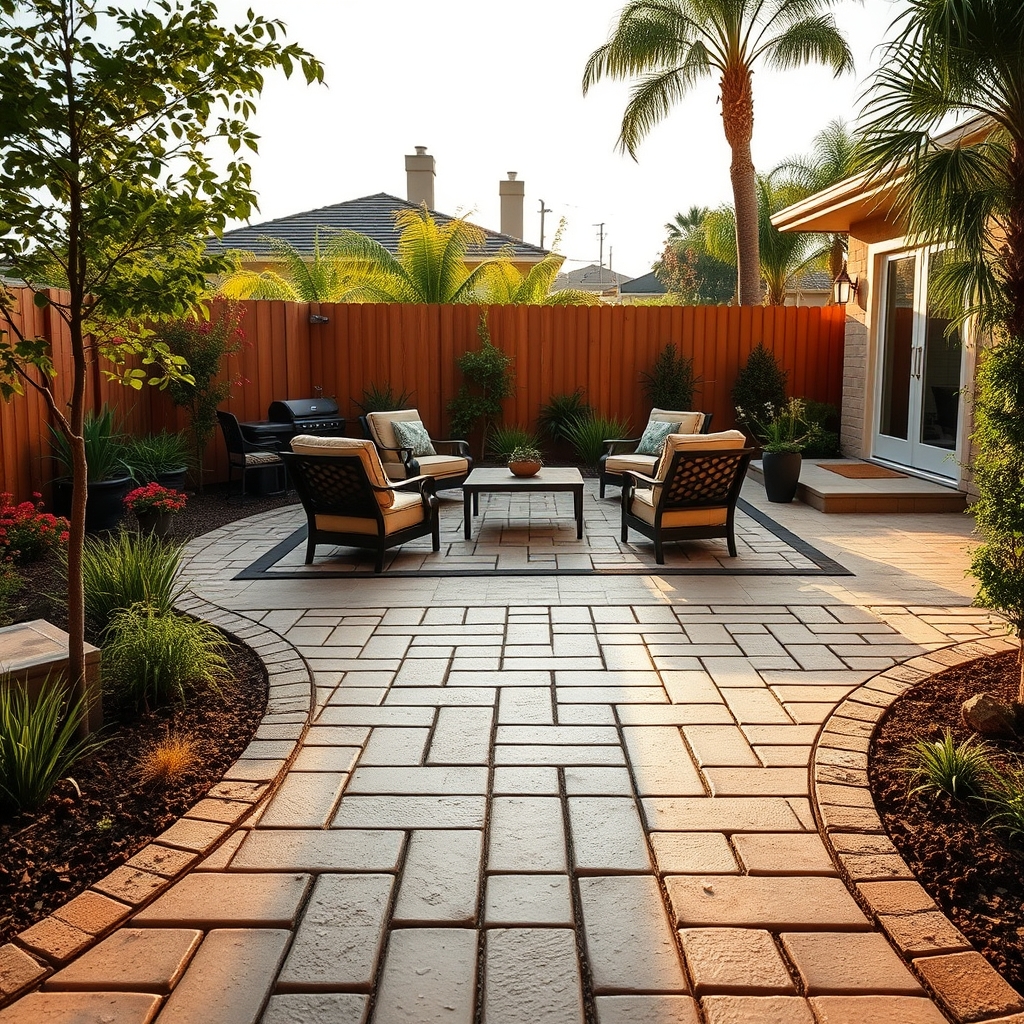
If you want the strongest result, get at least three itemized bids and compare them line by line. For many homes and small properties, Permeable patio pavers are worth the investment when the site is suitable and the installation is specified correctly. Start with a soil test, then ask contractors to prove how their design will manage water.
FAQ
Are permeable patio pavers worth the higher upfront cost?
They can be worth it if your site has drainage problems, local stormwater requirements, or possible fee credits. The value is strongest when the system reduces runoff control costs and prevents water problems near the home.
What is the cheapest permeable paving option?
Gravel grid pavers are usually the lowest cost option, often around $6 to $15 per square foot installed. They work best in informal areas, overflow parking, and sites with good infiltration.
Do permeable pavers clog over time?
Yes, they can clog if sediment fills joints or pores. Annual inspection and cleaning every 1 to 3 years can help maintain permeability. Keep soil, mulch, and dirty runoff away from the surface.
Can permeable pavers be used for driveways?
Yes. PICP, gravel grids, pervious concrete, and porous asphalt can all be used for driveways when designed for vehicle loads. The base depth, edge restraint, and soil conditions are critical.
Do clay soils rule out permeable patio installation?
No, but clay soils often require underdrains, deeper aggregate reservoirs, or engineered overflow. That can add 10% to 50% or more to the project cost compared with a well draining site.